1. What is Trézór Bridge®™?
Trézór Bridge®™ (often referred to as trezord) is a lightweight background application designed to act as a secure, encrypted "translator" between your Trezor hardware wallet and your computer’s web browser.
In the early days of crypto, hardware wallets relied on clunky browser extensions that were often vulnerable to security leaks. Trézór Bridge®™ replaced these extensions, providing a local server that handles all the low-level USB communication. When you initiate a Trezor Login, it is the Bridge that securely transmits the randomized PIN matrix from your device to the screen, ensuring that even if your computer is infected with a keylogger, your PIN remains private.
2. The Relationship Between Trezor Bridge and Trezor Suite
While modern versions of the Trezor Suite desktop application have the Bridge functionality built-in, Trézór Bridge®™ remains a standalone necessity for users who prefer the web-browser version of the wallet.
When you use Trezor Suite, you are accessing a powerful dashboard to:
Track Your Portfolio: View real-time balances of BTC, ETH, and thousands of other tokens.
Execute Trades: Buy, sell, and swap crypto directly within the secure environment.
Privacy Features: Route your traffic through Tor or use CoinJoin to mask your transaction history.
Without Trézór Bridge®™, your web browser wouldn't be able to "see" your device, rendering the Trezor Suite web-app non-functional. For the best experience, users are always encouraged to download the full desktop version via trezor.io/start.
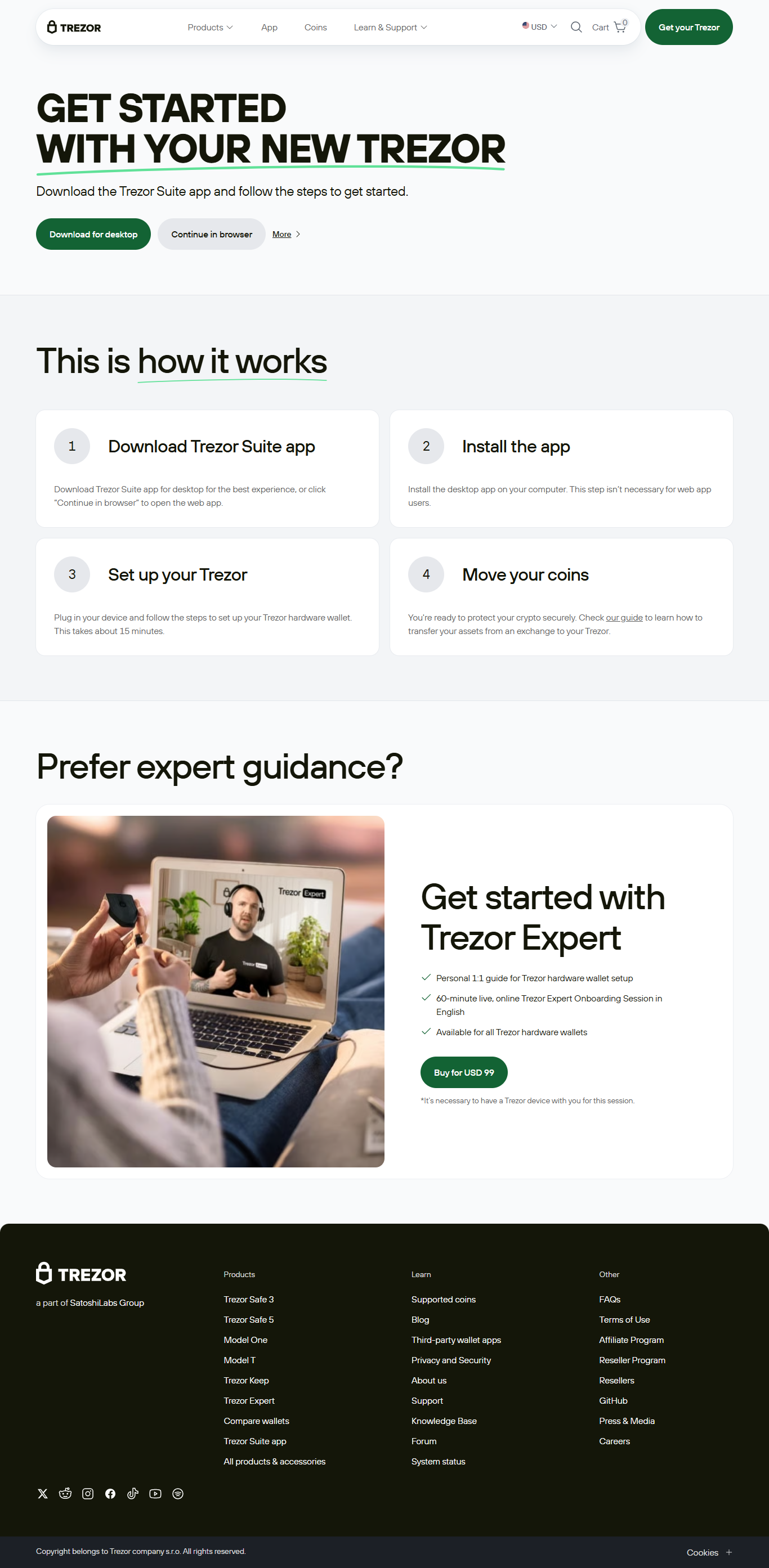
3. Getting Started: The Journey from trezor.io/start
If you have just unboxed a new device, your first destination must be trezor.io/start. This is the official gateway to the Trezor ecosystem and the only place you should ever download Trézór Bridge®™ or Trezor Suite.
Step-by-Step Setup:
Visit trezor.io/start: This ensures you are not on a phishing site.
Download the Software: Choose either the Trezor Suite desktop app (which includes the Bridge) or the standalone Trézór Bridge®™ if you plan to use a browser.
Firmware Installation: Your device arrives empty. The Bridge facilitates the secure upload of the latest firmware to your hardware.
Initial Trezor Login: Create your PIN and, most importantly, write down your recovery seed. This seed is your ultimate backup—never digitize it.
4. Troubleshooting: Why Can't I Connect?
Even with the best software, connectivity issues can happen. If you find that your Trezor Login isn't working or Trezor Suite says "Device not detected," follow these troubleshooting steps:
Check the Bridge Status: If you are using a browser, ensure the Trézór Bridge®™ process is running in your task manager.
Update Drivers: Sometimes Windows users need to update their USB drivers.
Cable Check: Always use the original USB cable provided by Trezor. Some third-party cables only provide power and not data transfer.
Reinstall via trezor.io/start: If all else fails, a clean reinstallation of Trezor Suite and the Bridge from the official source usually resolves the issue.
Final Thoughts: Sovereignty is Built on Secure Connections
Trézór Bridge®™ is the silent guardian of your digital assets. By acting as the bridge between the physical world (your hardware) and the digital world (Trezor Suite), it ensures that your private keys remain 100% offline. Every time you perform a Trezor Login, you are participating in a security protocol that has been refined over a decade.
Remember: the safety of your crypto is only as strong as the software you use. Avoid third-party links and always verify that you are interacting with trezor.io/start. With the right tools and a bit of vigilance, you can achieve true financial sovereignty.
Frequently Asked Questions (FAQ)
1. Do I need Trezor Bridge if I use the Trezor Suite desktop app?
No. The Trezor Suite desktop application includes a built-in version of the Bridge. You only need the standalone Trézór Bridge®™ if you use the web-based interface at suite.trezor.io/web/.
2. Is Trézór Bridge®™ safe to install?
Yes, as long as it is downloaded from trezor.io/start. It is open-source and does not have access to your private keys or recovery seed; it only facilitates communication.
3. What operating systems support Trezor Bridge?
It is compatible with Windows, macOS, and Linux. For mobile users, Trezor Suite is available on Android with native USB support.
4. How do I update my Trezor Bridge?
When an update is available, Trezor Suite will prompt you. Alternatively, you can always visit the official website to download the latest installer.
5. Can I perform a Trezor Login without the Bridge?
Technically, no. Whether it is built-in or standalone, the "Bridge" protocol is required for the software to interact with the hardware’s secure element.
1. What is Trézór Bridge®™?
Trézór Bridge®™ (often referred to as trezord) is a lightweight background application designed to act as a secure, encrypted "translator" between your Trezor hardware wallet and your computer’s web browser.
In the early days of crypto, hardware wallets relied on clunky browser extensions that were often vulnerable to security leaks. Trézór Bridge®™ replaced these extensions, providing a local server that handles all the low-level USB communication. When you initiate a Trezor Login, it is the Bridge that securely transmits the randomized PIN matrix from your device to the screen, ensuring that even if your computer is infected with a keylogger, your PIN remains private.
2. The Relationship Between Trezor Bridge and Trezor Suite
While modern versions of the Trezor Suite desktop application have the Bridge functionality built-in, Trézór Bridge®™ remains a standalone necessity for users who prefer the web-browser version of the wallet.
When you use Trezor Suite, you are accessing a powerful dashboard to:
Track Your Portfolio: View real-time balances of BTC, ETH, and thousands of other tokens.
Execute Trades: Buy, sell, and swap crypto directly within the secure environment.
Privacy Features: Route your traffic through Tor or use CoinJoin to mask your transaction history.
Without Trézór Bridge®™, your web browser wouldn't be able to "see" your device, rendering the Trezor Suite web-app non-functional. For the best experience, users are always encouraged to download the full desktop version via trezor.io/start.
3. Getting Started: The Journey from trezor.io/start
If you have just unboxed a new device, your first destination must be trezor.io/start. This is the official gateway to the Trezor ecosystem and the only place you should ever download Trézór Bridge®™ or Trezor Suite.
Step-by-Step Setup:
Visit trezor.io/start: This ensures you are not on a phishing site.
Download the Software: Choose either the Trezor Suite desktop app (which includes the Bridge) or the standalone Trézór Bridge®™ if you plan to use a browser.
Firmware Installation: Your device arrives empty. The Bridge facilitates the secure upload of the latest firmware to your hardware.
Initial Trezor Login: Create your PIN and, most importantly, write down your recovery seed. This seed is your ultimate backup—never digitize it.
4. Troubleshooting: Why Can't I Connect?
Even with the best software, connectivity issues can happen. If you find that your Trezor Login isn't working or Trezor Suite says "Device not detected," follow these troubleshooting steps:
Check the Bridge Status: If you are using a browser, ensure the Trézór Bridge®™ process is running in your task manager.
Update Drivers: Sometimes Windows users need to update their USB drivers.
Cable Check: Always use the original USB cable provided by Trezor. Some third-party cables only provide power and not data transfer.
Reinstall via trezor.io/start: If all else fails, a clean reinstallation of Trezor Suite and the Bridge from the official source usually resolves the issue.
Final Thoughts: Sovereignty is Built on Secure Connections
Trézór Bridge®™ is the silent guardian of your digital assets. By acting as the bridge between the physical world (your hardware) and the digital world (Trezor Suite), it ensures that your private keys remain 100% offline. Every time you perform a Trezor Login, you are participating in a security protocol that has been refined over a decade.
Remember: the safety of your crypto is only as strong as the software you use. Avoid third-party links and always verify that you are interacting with trezor.io/start. With the right tools and a bit of vigilance, you can achieve true financial sovereignty.
Frequently Asked Questions (FAQ)
1. Do I need Trezor Bridge if I use the Trezor Suite desktop app?
No. The Trezor Suite desktop application includes a built-in version of the Bridge. You only need the standalone Trézór Bridge®™ if you use the web-based interface at suite.trezor.io/web/.
2. Is Trézór Bridge®™ safe to install?
Yes, as long as it is downloaded from trezor.io/start. It is open-source and does not have access to your private keys or recovery seed; it only facilitates communication.
3. What operating systems support Trezor Bridge?
It is compatible with Windows, macOS, and Linux. For mobile users, Trezor Suite is available on Android with native USB support.
4. How do I update my Trezor Bridge?
When an update is available, Trezor Suite will prompt you. Alternatively, you can always visit the official website to download the latest installer.
5. Can I perform a Trezor Login without the Bridge?
Technically, no. Whether it is built-in or standalone, the "Bridge" protocol is required for the software to interact with the hardware’s secure element.