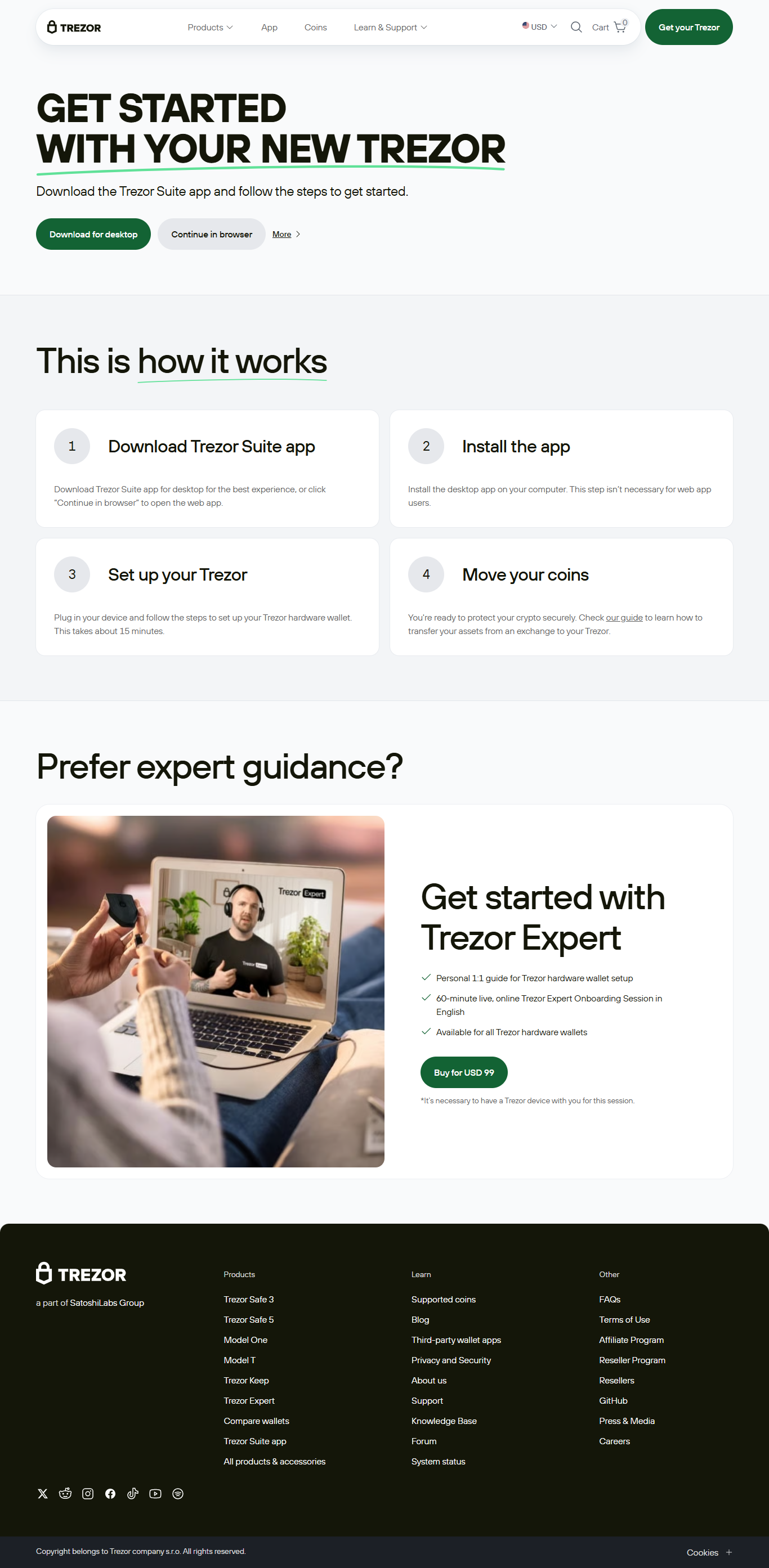
Trézór Bridge®™: The Complete Guide to Connecting Your Trezor Wallet Securely
In the world of crypto self-custody, seamless communication between your hardware wallet and software interface is essential. That’s where Trézór Bridge®™ comes in — a trusted and secure connectivity layer that bridges Trezor hardware wallets with desktop and web applications like trezor suite. Whether you’re performing a Trezor Login, sending assets, or managing your crypto portfolio, trezor bridge ensures the connection is smooth, secure, and effective.
In this comprehensive guide, we’ll cover everything you need to know about Trézór Bridge®™, how it works with trezor suite, why trezor.io/start should be your first stop for setup, common issues and fixes, best practices, and more. We’ll also provide a Final Thought, FAQs, and 10 SEO-ready meta titles and descriptions.
What Is Trézór Bridge®™?
Trézór Bridge®™ (often simply trezor bridge) is an official software component developed by Trezor that enables secure connection between Trezor hardware wallets and compatible applications — including trezor suite — in environments where direct USB access may not otherwise work (especially with web browsers).
Essentially, trezor bridge acts as a local communication protocol translator. It allows your computer or browser to recognize your Trezor device and exchange information safely during processes like Trezor Login or transaction signing.
👉 Official Bridge page: https://trezor.io/bridge
Why Trezor Bridge Is Important
When you connect a Trezor device to your computer, the operating system and browser need a secure way to communicate with it. Trezor Bridge provides that secure channel. Without it, browser-based interfaces may not detect your hardware wallet correctly, leading to failed connections or inability to perform crucial operations like Trezor Login or transaction approval within trezor suite.
Key Benefits of Trézór Bridge®™
🛡️ Secure USB communication with the Trezor device
🔑 Enables browser integration when using trezor suite
⚡ Ensures compatibility across Windows, macOS, and Linux
🔄 Makes firmware updates and device interactions smoother
In short, trezor bridge is the critical middleware that makes Trezor devices usable in more contexts than just the desktop app.
Trezor Suite and Trezor Bridge: How They Work Together
Trezor Suite is the official crypto management software for Trezor wallets — but it doesn’t work alone. When using trezor suite via a browser, trezor bridge facilitates device communication, enabling features like:
Trezor Login for secure access
Sending and receiving cryptocurrencies
Installing firmware
Viewing transaction history
Interfacing with decentralized applications
👉 Download Trezor Suite (from trezor.io/start): https://trezor.io/start
Whether you choose the trezor suite desktop app or the web version, trezor bridge ensures the connection between your hardware wallet and the software front end remains secure and verified.
How to Install Trézór Bridge®™
Installing trezor bridge is straightforward, but it’s important to do it from the official source — especially to protect against phishing and fake installers:
Step-by-Step Installation
Go to the Official Start Page:
👉 https://trezor.io/start
Always start here to avoid malicious downloads.Choose Your Device:
Select your Trezor model (Model T or Model One) and operating system.Download Trezor Bridge:
When prompted, download the appropriate trezor bridge installer.Install Current Version:
Run the installer and follow the on-screen steps.Reconnect Your Device:
After installation, plug in your Trezor and launch trezor suite or the web interface.
This ensures a seamless Trezor Login experience and secure interaction with your hardware wallet.
Trézór Bridge®™ vs USB HID (Human Interface Device)
Operating systems natively support USB devices using the HID standard, but browsers often restrict direct HID access for security. Trezor Bridge fills this gap:
FeatureWithout BridgeWith Trézór Bridge®™Browser USB Access❌ Unsupported✔ SupportedDesktop App Support✔ Yes✔ YesSecure Communication❌ Limited✔ EnforcedFirmware Updates❌ Difficult✔ Seamless
Thanks to trezor bridge, your Trezor device doesn’t need to rely solely on desktop USB support — it can safely communicate with browsers too.
Step-by-Step: Using Trezor Bridge for Trezor Login
Once trezor bridge is installed and your Trezor device is connected, here’s how Trezor Login works:
Launch Trezor Suite (desktop or web)
The software detects your connected device via trezor bridge
A secure session is established
You confirm device prompts for identity verification
You gain access to your portfolio and tools
Every login or transaction requires physical confirmation on the device’s screen — a core security model of Trezor that ensures no remote access is possible without the hardware.
Trezor Bridge With Different Operating Systems
Whether you’re on Windows, macOS, or Linux, trezor bridge supports all major systems. The installation packages are tailored to ensure compatibility and smooth integration with USB stacks and browser APIs.
👉 Always download from trezor.io/start to guarantee you’re using the official and latest version.
Common Trézór Bridge®™ Issues and Fixes
🔹 Bridge Not Installed
If your browser doesn’t detect your Trezor:
Revisit trezor.io/start
Reinstall trezor bridge
Restart your computer
🔹 Browser Still Doesn’t Detect Device
Check USB cables and ports
Try another browser (Chrome, Brave, Edge)
Verify Bridge is running in the background
🔹 Trezor Suite Cannot Connect
Update trezor suite
Ensure firmware on your Trezor device is updated
Reinstall trezor bridge
Always use official downloads — unofficial installers can break connections or compromise security.
Security Best Practices with Trezor Bridge and Trezor Suite
Security is the cornerstone of Trezor’s design. To protect your crypto:
🛑 Never download a forked or third-party version of trezor bridge
🛣️ Always use trezor.io/start for all software installers
🔐 Keep your Trezor firmware updated
📄 Never share your recovery seed — Trezor will never ask for it online
Using trezor bridge ensures that all communication between your device and software is encrypted and authenticated — preventing unauthorized access or key exposure.
How Trezor Bridge Enhances the Overall Crypto Experience
With Trézór Bridge®™, users benefit from:
✅ Browser compatibility
✅ Secure USB interface
✅ Support for Trezor Suite web and desktop
✅ Smoother firmware updates
✅ Reliable Trezor Login
For both new and experienced users, this improves usability without compromising safety — a rare balance in crypto hardware solutions.
Trezor Bridge With Decentralized Apps
Many users interact with DeFi platforms, NFT marketplaces, and Web3 services. While trezor suite itself doesn’t replace dedicated third-party dApps, trezor bridge enables connection through supported interfaces that rely on browser access. This means your device stays secure while interacting with dynamic blockchain applications.
When You Don’t Need Trezor Bridge
If you’re using the trezor suite desktop application exclusively, you might not need trezor bridge, because the desktop software can connect directly via USB HID. However, if you plan to use a browser-based version of trezor suite or web-integrated features, trezor bridge becomes critical.
👉 You can still start everything at trezor.io/start to get the right setup for your workflow.
Final Thought
Trézór Bridge®™ might seem like a behind-the-scenes component, but it plays a major role in how users access and manage their crypto securely. Whether you’re performing your first Trezor Login, navigating trezor suite, or interacting with blockchain applications, trezor bridge connects the dots securely and effectively.
Always begin your setup at trezor.io/start, install the latest trezor bridge, and use the official trezor suite client. This ensures your crypto remains secure, your connections are trusted, and your user experience is seamless.
Frequently Asked Questions (FAQ)
1. What is Trézór Bridge®™?
It’s official middleware that enables secure communication between a Trezor wallet and compatible applications such as trezor suite.
2. Do I need trezor bridge for Trezor Login?
You need it for browser-based login and web integrations. For desktop trezor suite, it’s optional.
3. Where should I download trezor bridge?
Only from trezor.io/start to ensure authenticity.
4. Is trezor bridge safe?
Yes, it’s developed by Trezor and ensures secure USB communication.
5. Can I use trezor suite without trezor bridge?
Yes — on desktop apps. But web functionality requires trezor bridge.
6. Why doesn’t my browser detect my Trezor?
Likely because trezor bridge isn’t installed or running.
7. Does trezor bridge work on all operating systems?
Yes — Windows, macOS, and Linux.
8. Do I need to keep trezor bridge updated?
Yes, updates fix bugs and improve browser compatibility.
9. Will Trezor ever ask for my recovery seed?
No — never, online or offline.
10. Where do I begin my setup?
Start at trezor.io/start for secure guidance